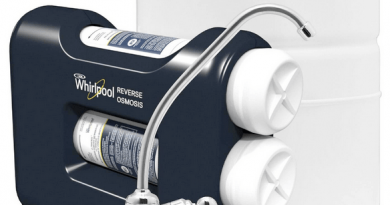

Understanding Reverse Osmosis Systems
Water purification is crucial for health and safety, and among various filtration technologies, reverse osmosis (RO) stands out. This method utilizes a membrane to remove contaminants from water, producing clean and safe drinking water. With a growing awareness of water quality, homeowners, health-conscious individuals, and enthusiasts are increasingly turning to RO systems for their filtration needs. As concerns about water pollution rise, understanding the benefits and functionality of RO systems is ever more important.
How Reverse Osmosis Works
RO technology relies on a semi-permeable membrane. Here’s how it functions: water is forced under pressure through this membrane, separating impurities from the clean water. The process effectively removes contaminants such as lead, chlorine, and microorganisms, with a retention rate that can reach as high as 99%. This basic function can lead to significant improvements in your home’s water quality.
For further reading, visit reverse osmosis.
The heart of any RO system is its membrane. Typically made from thin film composite, this membrane acts selectively, allowing water to pass while rejecting larger molecules and contaminants. The result is purified water that meets or exceeds drinking standards. The membrane structure enables even the tiniest of pollutants to be trapped, making it an effective solution for addressing water quality issues.
Benefits of Using Reverse Osmosis Systems
The benefits of RO systems extend beyond simply removing taste or odor from water. For one, the technology can significantly improve health by removing harmful contaminants. Studies show that reverse osmosis systems can eliminate up to 99% of certain pollutants, giving peace of mind to users particularly concerned about contaminants such as arsenic or fluoride. For households with specific water concerns, this kind of precision is invaluable, ensuring that families consume only the purest water available.
Additionally, RO systems are cost-effective over the long run. While the initial investment can be higher compared to standard filters, the amount saved on bottled water and medical expenses due to waterborne illnesses can offset the startup costs. Investing in an RO system can lead to significant savings and peace of mind. Furthermore, the ROI from decreased bottled water use and related waste contributes positively to the environment.
For further reading, visit water efficiency fact sheet.
Applications of Reverse Osmosis Systems
RO systems are versatile and can be used in numerous environments. For homeowners, the most common application is for drinking and cooking water. However, the systems are also utilized in aquariums and hydroponic farms, where water purity is crucial for plant growth and aquatic life. For instance, hydroponic systems that use RO water promote healthier plant growth and higher yields because the absence of chemical impurities allows for better nutrient uptake.
Moreover, businesses and industries employ reverse osmosis for various purposes, including food processing and pharmaceuticals. These industries require not only clean water but water with specific chemical characteristics. RO systems can help them meet these professional standards. For example, in pharmaceutical manufacturing, water must meet stringent purity standards, and RO systems are integral in ensuring compliance with these critical requirements.
Common Misconceptions about Reverse Osmosis
Despite its benefits, there are misunderstandings surrounding RO systems that can deter potential users. One common myth is that RO systems waste excessive water; while it is true that the process can generate wastewater, modern RO systems are designed to minimize water wastage significantly. Many newer models boast a waste-to-purified water ratio that is more efficient than older systems – often ranging from 1:1 to 2:1.
For further reading, visit reverse osmosis market statistics.
Another misconception is that RO systems remove beneficial minerals. The truth is that while RO can reduce total dissolved solids (TDS) in water, many systems incorporate remineralization filters to reintroduce essential minerals like calcium and magnesium after filtration. This dual-function process ensures that the water is not only pure but also healthy and palatable, enhancing the overall drinking experience.
Considerations for Implementing an RO System
Before installing a reverse osmosis system, it’s crucial to consider your specific water quality needs, the initial investment, and the maintenance requirements. Not all RO systems are created equally; some come with additional features such as UV purification or advanced remineralization. Moreover, your choice may depend on the contaminants present in your water supply, making it essential to conduct a water test prior to selection.
Additionally, assessing your water pressure is essential, as effective operation often requires a minimum pressure level to function optimally. The ideal range is typically between 40 to 100 psi for most RO systems. If your water pressure is low, you might need to invest in a booster pump. This aspect is often overlooked but can significantly affect the performance and efficiency of your system.
For further reading, visit drinking water quality insights.
Installation and Maintenance of Reverse Osmosis Systems
Installing an RO system can be done as a DIY project, or you may choose to hire a professional, particularly if plumbing modifications are needed. Ensure proper alignment of all components to avoid leaks. Regular maintenance is vital to keep the system functioning effectively. User manuals often provide valuable guidelines on maintenance schedules that cater to specific models.
Most RO systems require filter replacements every 6 to 12 months, depending on water usage and quality. Monitoring the membrane’s integrity is also critical since a compromised membrane can lead to contaminated water. Regular checks can help you catch issues early and ensure sustained water quality. An indicator light or system pressure gauge can be helpful in managing filter replacement timing effectively.
Cost of Reverse Osmosis Systems
The cost of RO systems varies widely based on capacity, brand, and features. Entry-level models can start around $200, while advanced units can exceed $1,000. Keep in mind the cost of maintenance, including filter replacements, as this will affect your total investment. Budgeting for ongoing costs is essential for long-term satisfaction with your RO system.
For further reading, visit World Health Organization.
While up-front costs may appear significant, consider your long-term savings on bottled water and potential health costs due to poor water quality. Over time, an RO system can be a worthwhile investment. For instance, a family that shifts from buying bottled water may recover their investment within a few years – contributing to healthier habits and less environmental waste.
Real-Life Applications and Success Stories
Let’s take an example: a family in an agricultural area faced severe contamination issues in their well water. After installing a reverse osmosis system, they reported not only improved taste but also better health outcomes for their children. Stories like this underscore the real-world impact of effective water purification. Additionally, there are documented cases in schools where RO systems have significantly improved the water quality served to students, thus enhancing their overall health and wellness.
Another real-life application can be seen in restaurants, where water quality directly affects food preparation. Chefs report enhanced flavors and quality in their dishes after employing specialized RO systems. High-quality water leads to better brewing for coffee and more flavorful soups and sauces, exemplifying the importance of water quality in culinary excellence.
For further reading, visit effective business resources.
Frequently Asked Questions about RO Systems
Many people have questions about reverse osmosis systems. Here are a few frequently asked:
- How long does the RO membrane last? Typically, membranes last 2 to 3 years with proper maintenance.
- Can I install it myself? Yes, many homeowners choose DIY installation, but professional installation can be a wise investment for beginners.
- Does it remove beneficial minerals? While RO removes many impurities, minerals can be added back into the water if desired, enhancing nutritional value.
Next Steps for Your Water Quality
If you’re considering improving your water quality, evaluate your needs and research various RO systems. Understanding your local water conditions can help you make an informed choice. Comparing whole-house vs. point-of-use advanced filters may also uncover further options for optimizing your home’s water quality. Look for reputable brands and detailed feature lists that suit your household requirements.
Lastly, stay informed about advancements in water filtration technologies, as new innovations, such as those involving nanotechnology, can enhance your RO system’s efficiency. For insights into these materials, check out advanced filtration materials. Emerging technologies may present more options for customization and efficiency adjustments in the near future.
Final Thoughts
Investing in a reverse osmosis system can drastically improve water quality in your home, providing peace of mind and contributing positively to health and wellness. Understanding the technology, installation options, and maintenance can empower you to make a wise decision for your water purification needs. No matter where you live, access to clean drinking water is fundamental, and reverse osmosis makes that a tangible reality.