
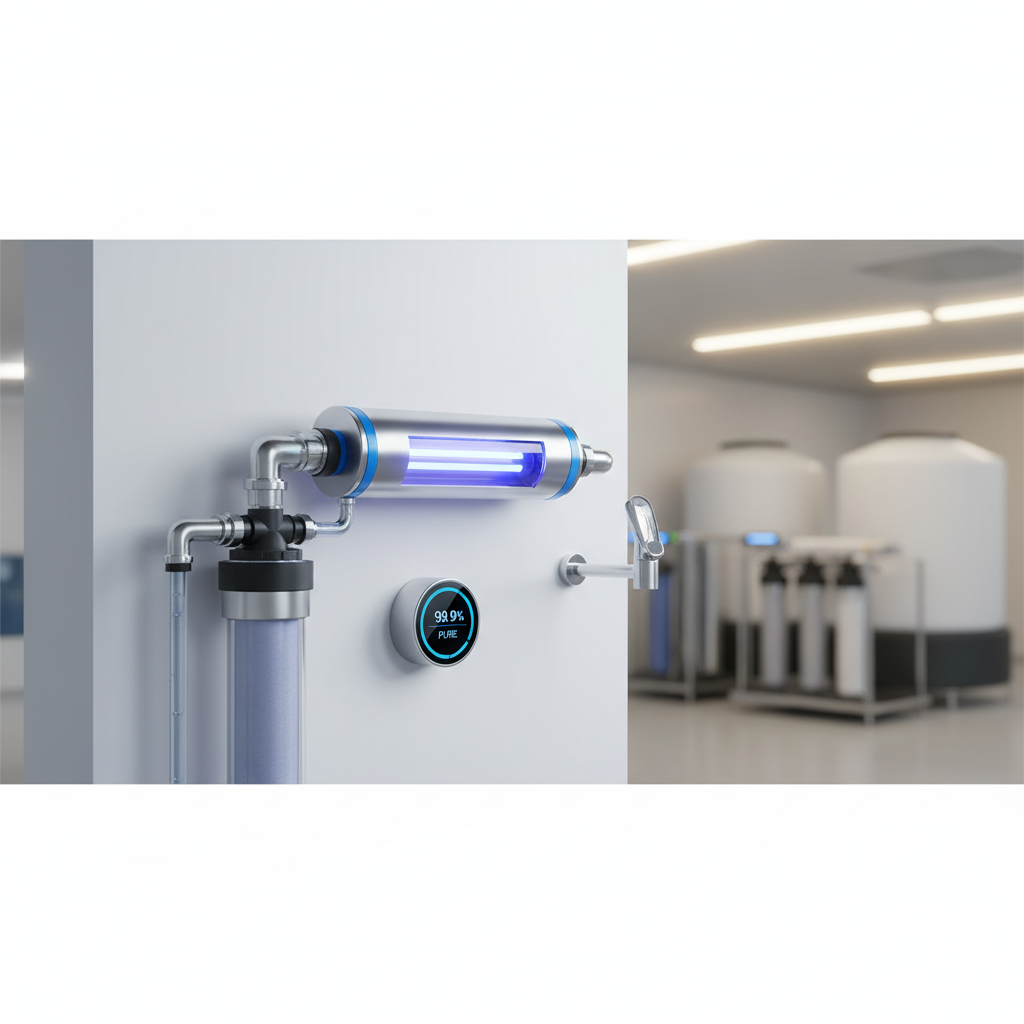
Understanding Ultraviolet (UV) Purification: Mechanisms and Effectiveness
Water quality is a priority for many households, particularly for health-conscious individuals. One of the most innovative methods for ensuring clean drinking water is Ultraviolet (UV) purification. This article explores the mechanisms and effectiveness of UV purification, examining how it works and its benefits over traditional methods.
What is UV Purification?
UV purification is a process that uses UV light to inactivate harmful microorganisms in water. By targeting the DNA or RNA of bacteria, viruses, and other pathogens, UV light effectively prevents these organisms from reproducing and causing illness. Unlike chemical disinfectants, UV purification does not leave any residual substances in the water, making it a pure form of water treatment.
For further reading, visit EPA on water purification.
How Does UV Purification Work?
The process begins when water is passed through a chamber containing UV lamps. The UV light emitted penetrates the cells of microorganisms, causing damage to their genetic material. This disruption inhibits their ability to grow and multiply. The effectiveness of this method is contingent on factors such as water clarity, temperature, and lamp intensity, highlighting the importance of properly maintained systems.
A well-designed UV system can achieve disinfection efficiencies of over 99.99%, particularly for common waterborne pathogens. However, it requires optimal conditions, including low turbidity levels, to maintain effectiveness.
Advantages of UV Purification
UV purification offers several notable benefits:
For further reading, visit NSF International.
- Non-Chemical Disinfection: Since no chemicals are used, the water remains free of potentially harmful byproducts.
- Broad Spectrum Disinfection: UV light can inactivate a wide variety of pathogens, including resistant strains that can evade other purification methods.
- Cost-Effective: Once installed, UV systems generally have lower operational costs compared to chemical systems.
- Environmentally Friendly: With no chemicals involved, UV purification is a sustainable solution.
- Minimal Maintenance Required: UV purification systems require relatively low maintenance, making them user-friendly and less labor-intensive for homeowners.
Limitations of UV Purification
While UV purification is effective, it does have limitations. Notably, it does not physically remove contaminants like heavy metals, sediment, or chlorine. For comprehensive water quality, it should be integrated with other filtration technologies.
Furthermore, the effectiveness of UV light decreases in murky or turbid water, so pre-filtration may be necessary. Regular maintenance and lamp replacement are also essential for optimal performance, as the intensity of UV light diminishes over time. Users should be aware that the quartz sleeve encasing the UV lamp can also become fouled, necessitating regular cleaning to ensure maximum light penetration.
For further reading, visit Ultraviolet radiation.
Implementation of UV Systems in Residential Settings
Implementing UV purification systems in homes typically involves a few key steps:
- Assessment: Assess your water quality and determine if UV purification is suitable for your needs.
- System Selection: Choose a system based on your household’s size, water usage, and the level of contaminants present.
- Installation: Proper installation is critical. It can often be done after existing filters, just before the point of use.
- Maintenance: Schedule regular maintenance to ensure the system operates effectively and replace UV lamps as needed.
- Integration with Other Treatments: Consider combining UV purification with carbon filters or reverse osmosis systems for enhanced removal of specific contaminants and improved taste.
You might find that integrating UV purification with other advanced filtration technologies, such as those discussed in integrating filters, can provide even better water quality.
For further reading, visit Water Quality Information.
Real-World Applications
Many municipalities and businesses employ UV purification due to its effectiveness and efficiency. For instance, in California, some water treatment plants utilize UV systems to ensure that treated water meets safety regulations. Homeowners, too, are increasingly opting for UV systems to enhance their water quality, especially in areas with known contamination issues, such as agricultural runoff.
Additionally, various industries, such as food and beverage, pharmaceuticals, and aquaculture, employ UV systems to ensure product safety and quality. In aquaculture, for example, UV systems help maintain water clarity and hygiene in fish farming operations.
Case Study: UV Purification in Action
A notable case can be seen in a community in Arizona, where residents faced issues with harmful pathogens in their water supply. By implementing UV technology as part of their purification process, they significantly reduced the incidence of waterborne diseases. Local health officials reported a marked drop in gastrointestinal illnesses, which they credited to the UV treatment. This community’s experience highlights the critical role of community awareness and education in maximizing the benefits of UV purification systems.
For further reading, visit Health benefits of UV light.
Cost Considerations
When evaluating the costs of UV purification, homeowners should consider both the initial investment and ongoing operational costs. Many systems range from $100 to several thousand dollars, depending on capacity and features. Additionally, you’ll want to factor in energy consumption and the frequency of lamp replacements, which usually occur every 12 months. These expenses can be offset by the savings on bottled water and other filtration systems, making it a worthwhile investment. For larger households, some systems may have higher upfront costs but offer significant long-term savings through water quality improvement and reduced health risks.
Understanding UV System Regulations
In the United States, UV purification systems must meet standards set by the Environmental Protection Agency (EPA) and the National Sanitation Foundation (NSF). These regulations ensure safety and efficacy, making it crucial to select a system that meets or exceeds these standards. It is advisable for consumers to research products that carry NSF certification for UV treatment systems, ensuring that the products are rigorously tested and proven to be effective.
For further reading, visit HubSpot Marketing.
FAQs about UV Purification
Is UV purification effective against all pathogens?
While UV purification is highly effective against most bacteria and viruses, some protozoa, like Cryptosporidium, may require additional treatment. It is often recommended to combine UV systems with filters that can physically remove this type of microorganism.
Do UV systems use much energy?
Generally, UV systems are quite energy efficient. The average UV lamp uses about 30-40 watts, which is lower than many traditional disinfection methods. Additionally, the operational cost per gallon of treated water is substantially lower than that of chemical alternatives.
Can UV purification improve taste or odor?
UV purification does not directly improve taste or odor. However, it eliminates pathogens that can contribute to unpleasant flavors. For taste issues, additional treatment methods might be necessary, such as activated carbon filters, which remove organic compounds that affect taste and odor, working in tandem with UV systems.
Should You Consider UV Purification?
UV purification stands out as an effective and environmentally friendly choice for water treatment, especially when coupled with other advanced filtration systems. As a homeowner, understanding these technologies allows you to make informed decisions about your water quality. Explore UV purification as a viable option, and consider how it fits within your overall water treatment strategy. With the right setup, you can enjoy cleaner, safer water for your family.